
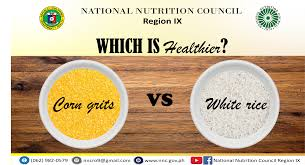
Grits have long been a staple in Southern cuisine and are now gaining attention from people curious about their role in weight management. So, are grits healthy for weight loss? The straightforward answer is that grits can be part of a balanced diet but are not inherently a weight loss food. Their health impact depends on preparation methods, portion sizes, and how they fit into overall dietary goals.
Understanding the nutritional profile of grits, the potential risks of consuming them in certain ways, and how to evaluate them compared to other foods are key to making informed choices. This article explores common questions about grits, outlines risks to be aware of, and offers practical criteria for evaluating their place in a weight loss plan.
What Exactly Are Grits?
Grits are made from ground corn, usually white or yellow, and cooked to a porridge-like consistency. They can be made from hominy (corn treated with an alkali solution) or regular ground corn. The texture is creamy and mild, often served with butter, cheese, or savory toppings.
Because grits are primarily carbohydrate, their calorie content can vary depending on the amount consumed and what is added during cooking. They contain some vitamins and minerals like iron and B vitamins, but their fiber content is generally low unless you choose whole-grain variants.
Common Questions About Grits and Weight Loss
People often ask if grits are low in calories, whether they cause blood sugar spikes, and if they can help burn fat. Grits tend to have moderate calories per serving but can quickly become calorie-dense if combined with high-fat or high-sugar toppings. Their glycemic index can be higher than whole grains, meaning they may raise blood sugar faster, which some people try to avoid during weight loss.
Another question is whether grits provide lasting fullness. Their low fiber content means they may not keep you satiated as long as foods rich in fiber or protein, which are generally recommended for weight control.
Potential Risks When Including Grits in a Weight Loss Diet
The main concern with grits involves how they are prepared and portioned. Adding large amounts of butter, cheese, or sugar can transform a relatively simple carbohydrate into a high-calorie meal that may hinder weight loss efforts.
Another risk is relying on grits as a primary carbohydrate source without balancing them with protein and fiber-rich vegetables or legumes. This imbalance can lead to quicker hunger and overeating later in the day.
People with blood sugar issues may want to monitor their response to grits carefully, as the rapid digestion of refined corn products can affect glucose levels.
Better Comparison Criteria for Evaluating Grits
Rather than asking simply “are grits healthy,” a more useful question is how do grits compare to other carbohydrate options based on specific criteria. When evaluating grits for weight loss, consider these points:
1. Nutrient Density: Look at the vitamins, minerals, and fiber content compared to alternatives like oatmeal, quinoa, or brown rice.
2. Glycemic Impact: Assess how quickly the food raises blood sugar and how this fits with your metabolic health goals.
3. Preparation Flexibility: Consider how easy it is to prepare grits in a way that supports weight loss, such as using minimal added fats and including fiber or protein.
4. Satiety Potential: Evaluate how filling the food is, as this influences total calorie intake throughout the day.
5. Portion Control: Think about typical serving sizes and how they align with your calorie needs.
Using these criteria helps avoid oversimplifying the question and encourages personalized dietary decisions.
A Practical Framework for Evaluating Grits in Your Diet
Start by examining your overall dietary pattern and weight loss objectives. If you prefer grits, choose whole-grain or stone-ground varieties when possible to increase fiber intake. Prepare them using water, low-fat milk alternatives, or broth instead of heavy cream or butter.
Add protein sources such as eggs or lean meats, and include vegetables to increase fullness and nutrient variety. Pay attention to portion size, aiming for about half a cup cooked as a starting point.
Monitor how you feel after eating grits. If hunger returns quickly or energy dips, experiment with combining grits with more fiber or protein. Tracking blood sugar response may be useful for those with metabolic concerns.
If weight loss plateaus or reverses, reassess how grits fit into your meal plan and consider alternatives. It is helpful to view grits as one option among many carbohydrate sources rather than a magic bullet.
For those interested in a detailed and nuanced evaluation, the full FormBlends comparison offers an in-depth look at grits in relation to weight loss and health.
Short FAQ
Are all grits the same nutritionally?
No. Instant grits tend to be more processed and lower in fiber, while stone-ground or whole-grain grits retain more nutrients. Checking labels can help you choose better options.
Can I eat grits every day while trying to lose weight?
Eating grits regularly is possible if you manage portions and toppings carefully and balance them with protein and vegetables. Variety in your diet is generally recommended for overall health.
Do grits cause blood sugar to spike?
Grits can raise blood sugar faster than some whole grains due to their refined nature. Individual responses vary, so monitoring is important, especially for people with insulin sensitivity.
Final Note
This article provides general information based on current nutritional understanding and should not replace personalized medical or dietary advice. Always consult a healthcare professional or registered dietitian before making significant changes to your diet.