
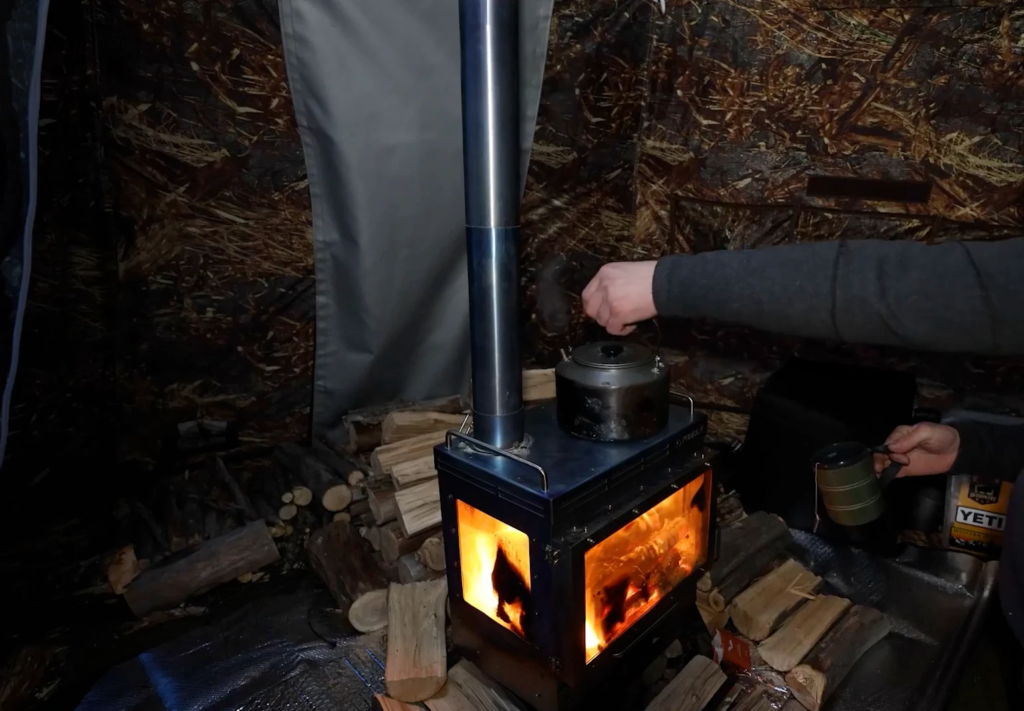
Waking up to frosted tent walls and crisp, frozen air can feel magical — right up until your toes go numb. Winter camping is one of the most rewarding ways to experience the outdoors, but staying warm inside the tent is non-negotiable for both comfort and safety. The goal isn’t to “blast heat” like at home; it’s to create a controlled, reliable microclimate you can trust through the night.
A big part of that comfort starts with the shelter itself. A dedicated winter camping tent with a stable frame, proper snow load capacity, and smart ventilation will hold warmth better and handle harsh weather without collapsing under wind or heavy snow. Good structure and materials mean every degree of heat you generate works harder for you, instead of leaking out through thin fabric and drafty seams.
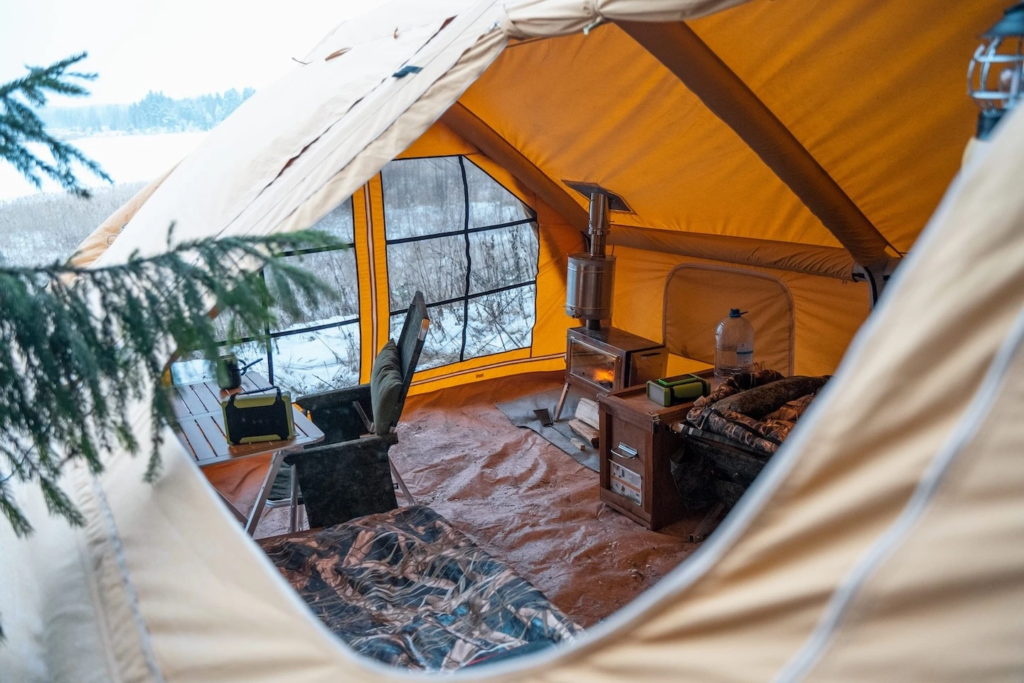
For many campers, the next step is moving from a basic cold-weather setup to a true hot tent with stove. A hot tent system is designed around a safe, integrated stove jack, heat-resistant materials, and controlled airflow. That combination lets you dry gear, cook, and relax in real warmth while still managing smoke and condensation correctly. If you prefer an all-in-one solution, a compact winter tent with stove makes it easy to build a cozy basecamp even on multi-day trips in deep cold.
Below are ten proven ways to heat a tent safely, plus a few things you should never use inside your shelter.
Before you add heat: build a warm system, not just a Hot Tent
Safe winter camping is about layering systems: tent, ground insulation, sleep system, clothing, and a controlled heat source all working together. A four-season tent with a double wall, snow skirt, and guy-out points traps warm air and sheds wind. A thick insulating layer under the floor (foam pads, closed-cell mats, or an insulated groundsheet) reduces heat loss into frozen ground. High-loft sleeping bags and insulated sleeping pads then keep your body’s heat where it belongs.
Think of any heater — wood stove, propane unit, or electric device — as the final layer, not the main solution. If your insulation, ventilation, and layout are wrong, no heater will feel truly safe or efficient.
10 Safe ways to heat a tent in winter
1. Use a wood-burning tent stove
In a purpose-built hot tent, a portable wood stove is one of the most effective ways to generate steady, dry heat. Look for a stove jack with heat-resistant material, a properly sized chimney, and reliable spark arrestor. Keep the stove on a fireproof mat, store wood away from the hot sides, and maintain clearances from every wall and piece of gear. Always keep a knife or multitool handy to cut guy lines quickly if you ever need to evacuate.
2. Choose a safe tent heater (and respect the rules)
Catalytic or radiant heaters designed for indoor or tent use can work when used exactly as instructed. Key safety rules:
- Run them only in well-ventilated tents.
- Never sleep with a fuel-burning heater running unattended.
- Use models with tip-over and low-oxygen shutoff features.
Treat fuel canisters with care, and keep them outside the sleeping area whenever possible.
3. Layer electric heat as a comfort boost
On powered campsites or overland setups with a reliable power source, low-wattage electric blankets or heated mattress pads can add targeted warmth to your sleep system. They work best under you, not over you, to warm the insulation and prevent cold spots from the ground. Check cords regularly, avoid running lines where people step, and don’t overload extension cables or power stations.
4. Turn hot water bottles into personal radiators
Hot water bottles are a classic, ultra-reliable way to add heat inside a sleeping bag. Fill sturdy, leak-proof bottles with hot (not boiling) water, seal them tightly, and slip them into a sock before placing them at your feet or near your core. By morning, you’re left with drinkable water instead of condensation or fumes.
5. Use heated rocks — carefully
If you’re camping where open fires are allowed, you can warm dry, non-porous rocks at the edge of the fire, then move them into the tent area. Always let them cool enough so they won’t scorch fabric. Wrap each rock in a towel and tuck it near — not against — your sleeping bag. Never use river rocks or stones that may explode when heated, and never bring smoldering embers inside.
6. Rely on chemical heat packs for hands and feet
Single-use chemical warmers are lightweight, compact, and perfect for fingers, toes, and pockets. They don’t replace a full heating system but can take the edge off biting cold when you’re settling down for the night or getting dressed in the morning. Store them according to the instructions to keep them effective.
7. Upgrade your ground insulation
The ground will steal more heat than the air. Combine a closed-cell foam pad with an insulated inflatable pad, or use a thick mat plus an extra layer of foam or reflective material under your sleep system. Inside larger tents, adding an insulated floor or rug creates a more stable temperature and lets any heater work more efficiently.
8. Dress for cold weather — even inside the tent
Good base layers, a mid-layer fleece or wool, and an insulated outer layer make a huge difference. Add warm socks, a beanie, and light gloves you can sleep in if needed. Dry, breathable layers manage moisture and keep you from sweating and then chilling later in the night.
9. Control drafts and condensation
A warm tent with poor airflow is not safe. Slightly crack vents and doors on the downwind side to let moist air escape while still trapping heat. This reduces condensation on the walls and lowers the risk of carbon monoxide buildup when you’re using a stove or heater. Position sleeping gear away from direct drafts, but don’t block critical vents with bags or clothing.
10. Use windbreaks and snow walls to protect the tent
Your heat source works much better when the tent isn’t getting hammered by wind. Pitch behind natural windbreaks (trees, ridges, boulders), or build a low snow wall on the windward side. This reduces convective heat loss and helps maintain a more stable, predictable temperature inside.
What not to use inside a tent
Some heat sources are never safe inside a tent, no matter how cold it is:
- Charcoal grills or open fire pits
- Gas camp stoves meant for outdoor cooking
- Open candles placed on the floor or near fabric
- Any DIY heating setup that produces heavy smoke or uncontrolled flame
These create extreme fire risk and dangerous levels of carbon monoxide in a confined space. If a device isn’t specifically designed for indoor or tent use, treat it as outdoor-only.
Final thoughts: comfort and safety go hand in hand
Heating a tent in winter isn’t about chasing sauna-level temperatures. It’s about crafting a reliable, comfortable environment where you can rest, recover, and actually enjoy cold-weather camping. Start with a well-designed winter shelter, build a smart insulation system, and choose a heat source that matches your style of camping and the conditions you face.
With the right setup and a few disciplined safety habits, winter nights stop being something you simply endure — and become some of your favorite memories outdoors.