
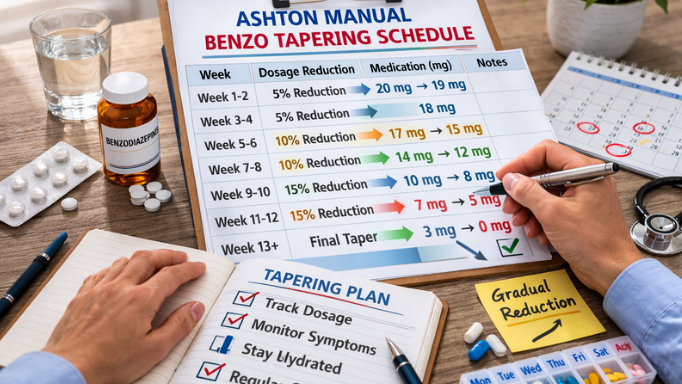
The journey toward pharmacological independence from sedative medications is a structured clinical path that prioritizes neurological stability. Patients often approach this transition with a mix of hope and apprehension regarding how their bodies will react to the reduction of chemical support. Understanding the specific stages of recovery helps individuals mentally and physically prepare for shifts in their internal chemistry. By adhering to a professionally supervised Ashton taper protocol, patients can navigate these changes with a significantly lower risk of experiencing the severe shocks often associated with abrupt cessation. This methodical transition is designed to respect the brain’s biological timelines and ensure a safe return to natural physiological functioning.
The Initial Substitution and Stabilization Phase
The first phase of a professional tapering program typically involves a gradual transition from short-acting medications to a long-acting equivalent. This substitution is critical because it eliminates the peaks and valleys in blood concentration that cause interdose withdrawal symptoms. During this period, the primary goal of the medical team is to find a dose that keeps the patient stable while the short-acting substance is phased out. Patients may experience mild changes in energy levels or cognitive focus as the liver and brain adapt to the new chemical profile of the long-acting substitute.
Professional oversight during this stage is vital to ensure that the crossover is seamless and that the patient does not experience a significant increase in anxiety or physical discomfort. Once the substitution is complete, a period of stabilization ensues, during which the body reaches equilibrium before any actual dose reductions begin. This creates a solid foundation for the remainder of the clinical plan, ensuring the nervous system is not under undue stress at the start of the journey. Consistency in daily routines and adherence to a specific benzo tapering diet can further support the body during this sensitive biochemical realignment.
The Final Milligrams and Post-Taper Transition
The final stage of the process involves reducing the remaining small doses, which are often the most significant in terms of receptor saturation. Many patients find that the last few steps require the most patience as the brain makes its final adjustments to a chemical-free state. Medical professionals closely monitor the autonomic nervous system during this period, ensuring that heart rate and blood pressure remain within healthy ranges.
This post-taper period is marked by a gradual return of cognitive clarity, emotional depth, and physical energy. Ongoing professional check-ins ensure that the patient remains on a healthy trajectory and that any lingering symptoms are managed with evidence-based care. This comprehensive level of support provides the security needed for a permanent lifestyle change, allowing individuals to move forward with a fully restored nervous system capable of maintaining natural balance.
Conclusion
Navigating the various phases of a medical taper is a profound experience of physical and psychological renewal. By following a professionally designed clinical roadmap, individuals can safely dismantle the dependency on sedative medications while protecting their overall health. Each phase of the process serves a specific purpose in the grand scheme of neurological recovery, from the initial stabilization to the final post-taper adjustment. The expertise of a dedicated medical team ensures a predictable path and that the patient is never left to manage complex symptoms alone. Ultimately, the structure and science behind a professional taper provide the most reliable bridge to a healthy and medication-free future.