
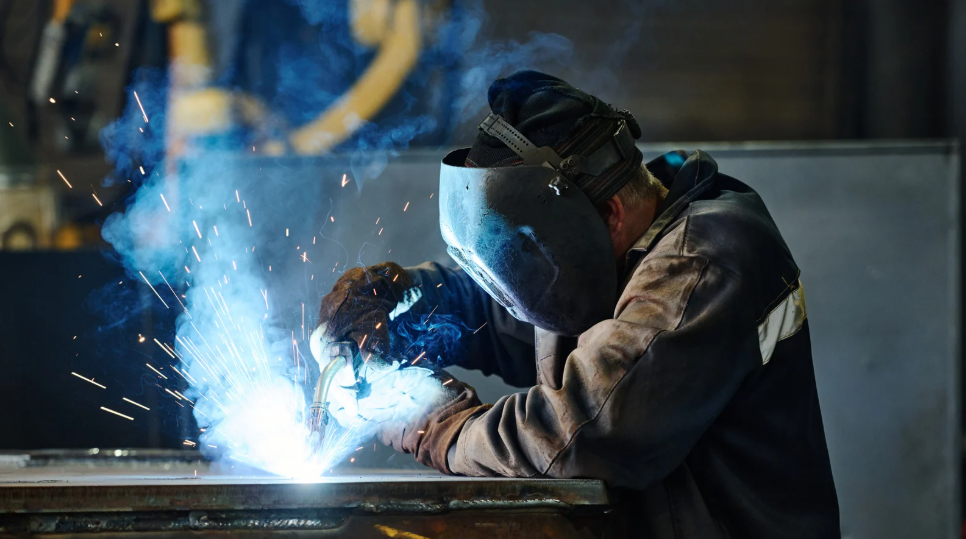
Industrial processes such as laser cutting, welding, and high-precision soldering generate a diverse array of airborne contaminants that standard ventilation systems are often unable to manage effectively. Because every facility utilizes different materials and machinery, a one-size-fits-all approach to air quality frequently leaves operators exposed to hazardous submicron particles and toxic chemical vapours. Implementing a specialized fume filtration system allows a business to tailor its air management strategy to the specific volumetric and chemical demands of its production line. This targeted intervention ensures that contaminants are captured at the source before they can migrate into the general breathing zone of the workforce. By prioritizing professional filtration, companies protect both the health of their employees and the operational integrity of their expensive technical equipment. This strategic commitment to clean air is a cornerstone of modern industrial safety and long-term operational success.
Targeted Capture for Diverse Chemical Profiles
Different manufacturing materials release unique and often dangerous chemical signatures when subjected to thermal or mechanical stress. For instance, the fumes generated by laser cutting PVC are highly acidic and corrosive, requiring specialized carbon media to neutralize hydrogen chloride gas, whereas welding stainless steel produces hexavalent chromium, a known carcinogen that requires HEPA-grade capture. A custom-engineered solution allows for the integration of specific filter stages designed to address these distinct threats in the correct order. This modular approach prevents the premature saturation of expensive primary filters by using high-capacity pre-filters to trap larger soot and dust particles first.
Beyond chemical neutralization, a customized setup accounts for the physical layout of the workspace to ensure maximum capture velocity at the point of emission. Standard units may struggle with airflow if the intake is placed too far from the source or if the ductwork has too many restrictive bends. By analysing how a fume extraction system works in relation to specific floor plans, engineers can design extraction arms and hoods that provide consistent suction without interfering with the technician’s range of motion. This technical precision ensures that no “dead zones” exist where fumes can accumulate, providing a comprehensive safety shield for the entire facility. Professional calibration of these systems is necessary to maintain the delicate balance between high suction power and energy efficiency.
Equipment Longevity and Operational Efficiency
The presence of airborne residues does not just threaten human health; it also poses a significant risk to the precision and lifespan of industrial machinery. In laser environments, fine dust and sticky resins can settle on expensive optics and sensitive electronics, causing beam diffusion and mechanical overheating. Over time, these microscopic deposits lead to increased maintenance downtime and a higher frequency of component replacement. A professionally installed filtration system acts as a protective barrier for the hardware, pulling these abrasive and corrosive materials away from the most vulnerable parts of the machine. This proactive protection translates into higher production yields and a more reliable manufacturing process.
Conclusion
The necessity of custom fume filtration in industrial environments is rooted in the complex and hazardous nature of modern manufacturing chemistry. From preventing occupational illnesses like asthma and cancer to protecting the precision of expensive laser and robotic systems, specialized filtration provides a level of security that general ventilation cannot achieve. The ability to capture and neutralize diverse airborne threats at the source is the hallmark of a safe and efficient workspace. While the initial setup requires a careful audit of materials and floor plans, the long-term benefits of a clean environment and reduced machinery wear are undeniable. Consistent professional oversight and the use of standardized filtration equipment remain the best ways to ensure safety and performance in any industrial processing facility. Professional excellence in air quality management continues to be the reliable standard for achieving true peace of mind and operational excellence.