
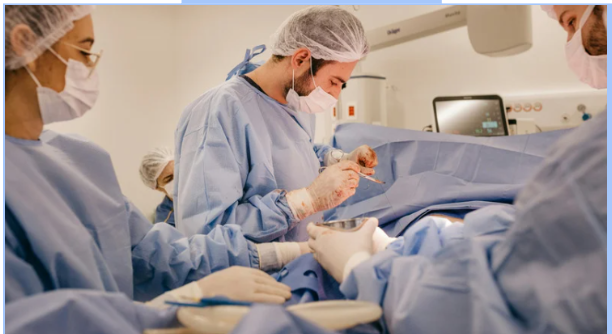
The journey toward metabolic health starts long before the day of surgery. For many individuals traveling for gastric sleeve surgery in Tijuana, Mexico, the preoperative phase involves a comprehensive medical screening designed to ensure maximum patient safety. These assessments enable the surgical team to understand the patient’s physiological state and identify potential complications before they arise. Professional clinical evaluation is the only way to confirm that the body is sufficiently resilient for general anesthesia and the subsequent recovery. A thorough diagnostic workup serves as a roadmap for the medical staff to provide personalized care that supports long-term success.
Medical clearance is a multifaceted process that combines detailed laboratory analysis with advanced imaging techniques. Each test provides a piece of the puzzle that ensures the surgical intervention is both safe and effective for the individual.
Essential Laboratory Screenings for Bariatric Patients
Blood work is the primary diagnostic tool used to assess a patient’s metabolic and nutritional status. Comprehensive panels enable physicians to detect underlying conditions, such as anemia or chronic inflammation, that may hinder healing. When preparing for weight loss surgery in Mexico, patients typically undergo a complete blood count to evaluate red and white blood cell levels. This test is essential for ensuring that the body has adequate oxygen-carrying capacity and a robust immune system to prevent postoperative infections. Additionally, a basic metabolic panel provides insights into kidney function and electrolyte balance, which are critical for maintaining heart rhythm and fluid levels during the operation.
Assessing Liver Function and Blood Sugar Stability
The liver’s health is a major priority because it processes the medications used during and after the procedure. Liver function tests measure specific enzymes that indicate whether the organ is under stress or whether fatty liver disease is present. Glucose and Hemoglobin A1c levels are also monitored to assess how well the body manages blood sugar, especially in patients with existing metabolic disorders. These markers help the clinical team adjust medications and plan for the patient’s specific nutritional needs during the immediate recovery phase.
Diagnostic Imaging and Physiological Assessments
Beyond blood analysis, imaging studies are necessary to visualize the patient’s internal structures and organ systems. An abdominal ultrasound is frequently used to check for gallbladder issues, as weight changes can sometimes influence the formation of stones. Furthermore, a chest X-ray is a standard requirement to verify that the lungs are clear and that there are no signs of respiratory infection or pulmonary issues. These images provide a clear view of the surgical site and surrounding organs, ensuring there are no anatomical surprises during the procedure.
Conclusion
Thorough preoperative testing is the foundation of a safe and successful health transformation. By identifying potential risks early and optimizing the patient’s health, the clinical team creates a stable environment for the procedure. Each lab test and image serves a specific purpose in the broader strategy of patient care and recovery. Following these professional medical protocols ensures that the journey toward wellness is managed with the highest level of accuracy and precision. Ultimately, the time invested in these assessments leads to a more predictable and rewarding outcome for the individual.