
The View From Payroll
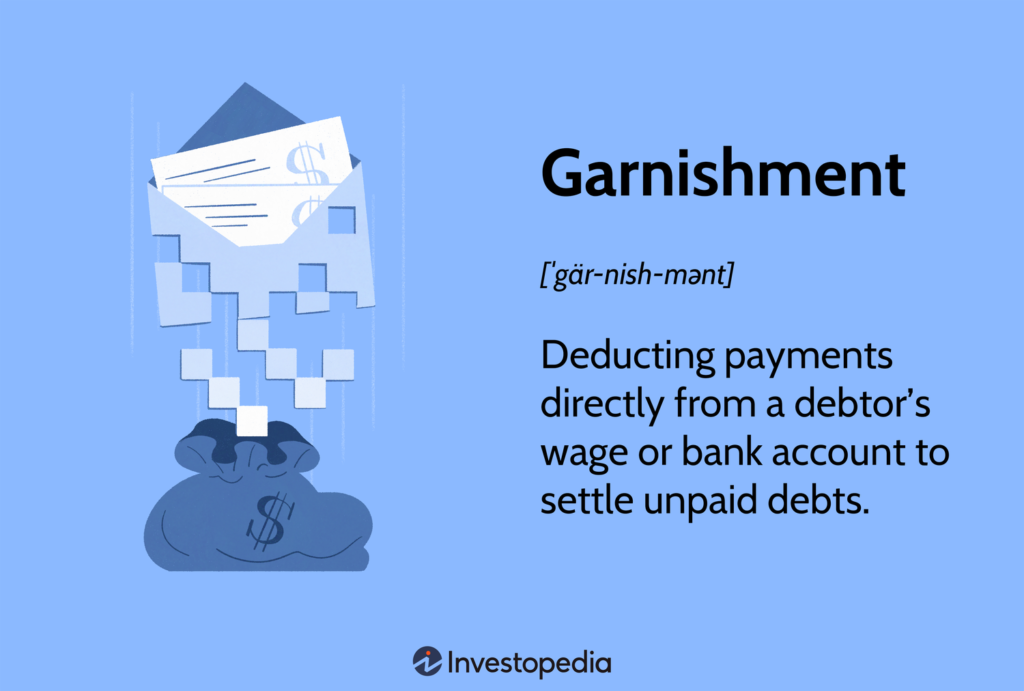
Most people think about wage garnishment from the employee’s side. The shock of a smaller paycheck. The stress of figuring out how to stretch what is left. But there is another angle that rarely gets talked about: the view from payroll.
When a garnishment order hits an employer’s desk, it becomes a math problem with legal consequences. Human resources has to calculate how much to withhold, how often to send payments, and when to stop. If the numbers are wrong, the employer can be held liable. If the withholding goes too far, the employee can be left scrambling to cover rent and groceries.
Sometimes the debt started with something like credit cards, medical bills, or even a second car title loan. By the time it reaches garnishment, it feels automatic and unstoppable. But it is not supposed to be unlimited. There are boundaries. And when those boundaries are ignored, garnishment can cross from lawful collection into financial harm.
What the Law Actually Allows
Wage garnishment is not a blank check for creditors. Federal law sets strict limits on how much of your disposable earnings can be taken. Under the Consumer Credit Protection Act, most creditors can garnish up to twenty five percent of disposable earnings or the amount by which your weekly income exceeds thirty times the federal minimum wage, whichever is less.
If you want to see how those limits are structured, the United States Department of Labor explains federal wage garnishment restrictions in detail.
States can set even stricter rules. Some limit garnishment to a lower percentage. Others provide additional protections for low-income workers. Child support, federal student loans, and tax debts follow different rules and can allow higher percentages, but even then, there are caps.
From the payroll desk, the law is clear. There is a maximum. Anything above that is not aggressive. It is illegal.
When Garnishment Becomes Excessive
Garnishment goes too far in three main ways.
First, it exceeds legal limits. This can happen when multiple garnishments stack on top of each other and no one recalculates the total percentage. An employer might process two separate court orders without checking how they interact. Suddenly, more than the allowed percentage disappears from each paycheck.
Second, it continues after the debt is paid. This happens more often than people realize. A creditor may fail to notify the court or the employer that the balance has been satisfied. The payroll department keeps withholding because no official stop notice has arrived. Weeks pass. Money keeps leaving.
Third, exemptions for basic living needs are ignored. Certain income, such as Social Security benefits, disability payments, or a portion of wages needed for essential expenses, may be protected under federal or state law. If those exemptions are not properly applied, the result can be devastating.
When garnishment leaves someone with too little to cover rent, utilities, and food, the system is no longer correcting a debt. It is pushing someone toward deeper hardship.
The Real World Impact
From an administrative standpoint, a garnishment is just a deduction line on a pay stub. From a human standpoint, it can mean choosing between groceries and gas.
Payroll professionals often see the consequences up close. Employees request paycheck advances. They ask for overtime shifts. They quietly mention that their bank account is overdrawn. The garnishment may be legally valid, but if it is calculated incorrectly or applied too long, the harm compounds.
Financial stress affects work performance, attendance, and even health. Anxiety over money can spill into every area of life. Excessive garnishment does not just collect a debt. It can destabilize an entire household.
How to Check If It Is Going Too Far
If you suspect your garnishment is excessive, start with the numbers.
Look at your pay stub. Identify your gross pay and your disposable earnings, which is your income after legally required deductions such as taxes and Social Security. Compare the amount withheld to the federal limit of twenty five percent of disposable earnings, unless your debt falls into a special category like child support.
If the math does not add up, raise the issue with your payroll department in writing. Employers often rely on the information provided in the court order. If there is an error, they need documentation to correct it.
You should also review guidance from the on handling debt collection and garnishment disputes. Filing a complaint can trigger review and force a response from the creditor.
What to Do If the Debt Is Already Paid
If you believe the debt has been satisfied but garnishment continues, act quickly.
Gather proof of payment, such as receipts, bank statements, or a payoff letter. Contact the creditor and request written confirmation that the balance is zero. Then provide that confirmation to your employer’s payroll department.
If the creditor fails to issue a release, you may need to contact the court that issued the garnishment order. Courts can require the creditor to file a satisfaction of judgment. Until that happens, the employer may feel obligated to continue withholding.
This is frustrating, but it is procedural. The system depends on paperwork. Make sure yours is complete and documented.
Using Exemptions to Protect Essentials
Many people assume garnishment is fixed and unavoidable. In reality, you may qualify for exemptions based on income level or financial hardship.
If garnishment leaves you unable to cover basic necessities, you can often file a claim of exemption with the court. This requires showing your income, expenses, and dependents. Courts do not automatically adjust garnishment based on hardship. You must request it.
The paperwork can feel intimidating, but the alternative is silent compliance. When garnishment ignores basic living needs, you have the right to push back within the legal process.
Garnishment Is Not Supposed to Be a Life Sentence
From the payroll side, the goal is compliance with the law. From your side, the goal is survival and stability. Those goals should not be in conflict.
Wage garnishment is meant to balance a creditor’s right to collect with your right to maintain a basic standard of living. When it exceeds legal limits, continues after payment, or ignores exemptions, that balance breaks down.
If your paycheck feels smaller than the law allows, do not assume it is correct. Review the numbers. Ask questions. File objections if necessary. The system is built with safeguards, but they only work if you use them.
Garnishment is serious, but it is not absolute. When it goes too far, there are steps you can take to bring it back within the lines.